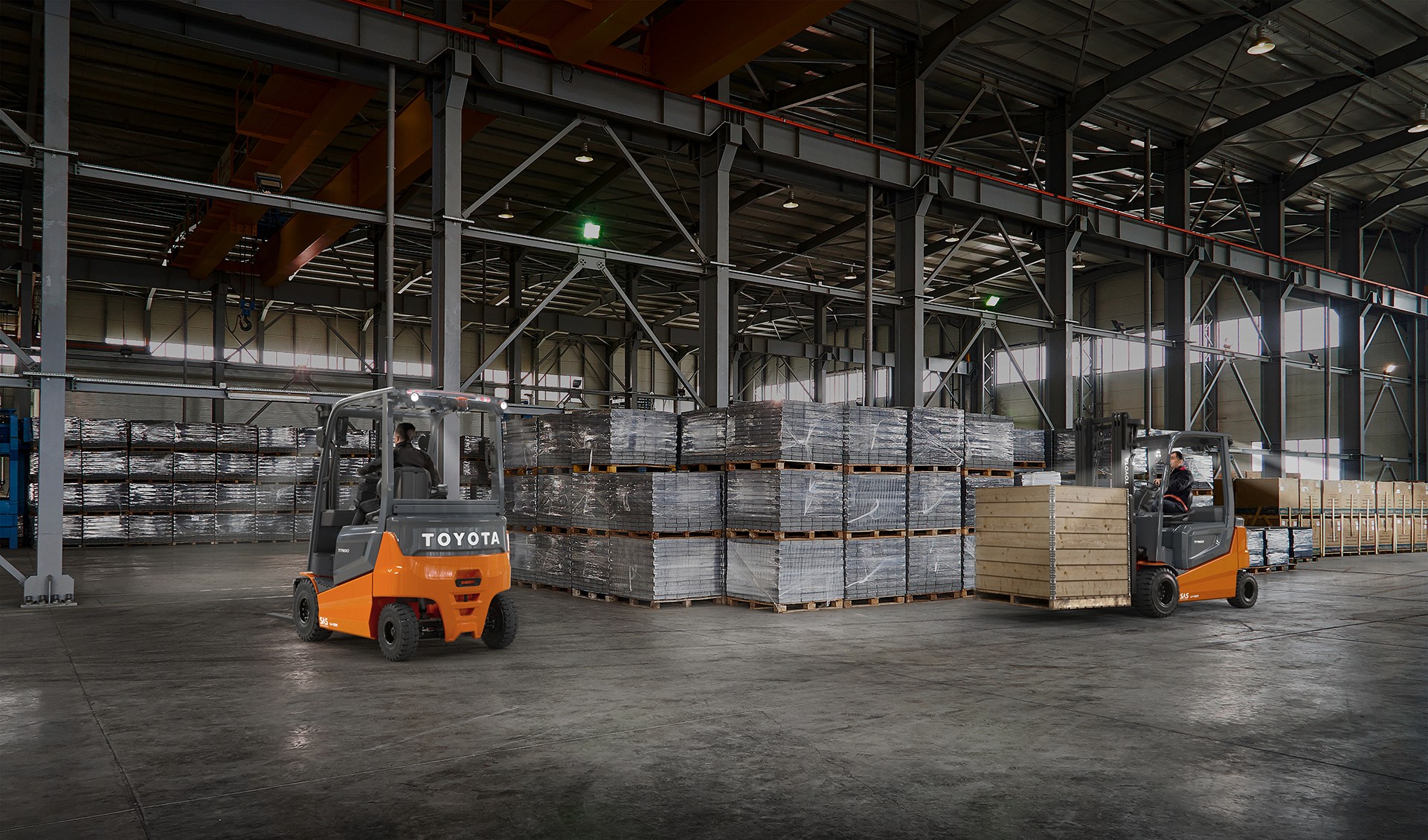
3D product visualization, built from your engineering data
Build the product once, digitally, and stop reshooting it for every campaign.
Your products already exist in perfect detail. They live in CAD files your engineers made, and marketing has never been able to touch them.
We turn that engineering data into photorealistic renders, product animations and interactive 3D that work everywhere: launch campaigns, tradeshow screens, sales tools, your website.
Why manufacturers work with UCAN
We are a small senior team in Mechelen, Belgium, working with international manufacturers and industrial brands across Europe, the US and the Middle East. More than twenty years in.
Engineering-grade accuracy.
We build from technical specifications, not from photos and guesswork. The model goes to your engineers for review, and the goal is a short meeting.
You work with the people doing the work.
No account layer, no handovers. The person you brief is close to the person modeling your product, which is why details survive the process.
The asset compounds.
We think about deployment from day one: the model built for your launch campaign should also serve the tradeshow, the dealer kit and the website. One build, many uses, and every next use costs less than the first.
Our Approach
What you get
Simple steps. Clear thinking. Strong results.
3D product visualization means creating your product digitally, accurate to the millimetre, and then photographing it in software instead of a studio. Once the model exists, everything else is a fraction of the cost: new angles, new colours, new environments, exploded views, animations of how the mechanism works, an interactive version a prospect can spin around on your website.
For a physical product that is large, heavy, dangerous or still in production, this is usually the only practical way to show it well. Nobody ships a 12-tonne machine to a photo studio. And no photo can cut a machine open to show what happens inside.
What lands in your hands: production-ready image files, animation files in the formats your channels need, and if you want it, a web-ready interactive model. You put these to work across your channels for years.


How we work
From CAD file to marketing asset
1. CAD and reference intake
We start from what you have. Native CAD files are ideal, but drawings, spec sheets and reference photos work too. We check the data together, agree which products and variants to build, and define where the assets will be used, because a print campaign, a tradeshow wall and a website viewer each make different technical demands on the model.
2. Modeling
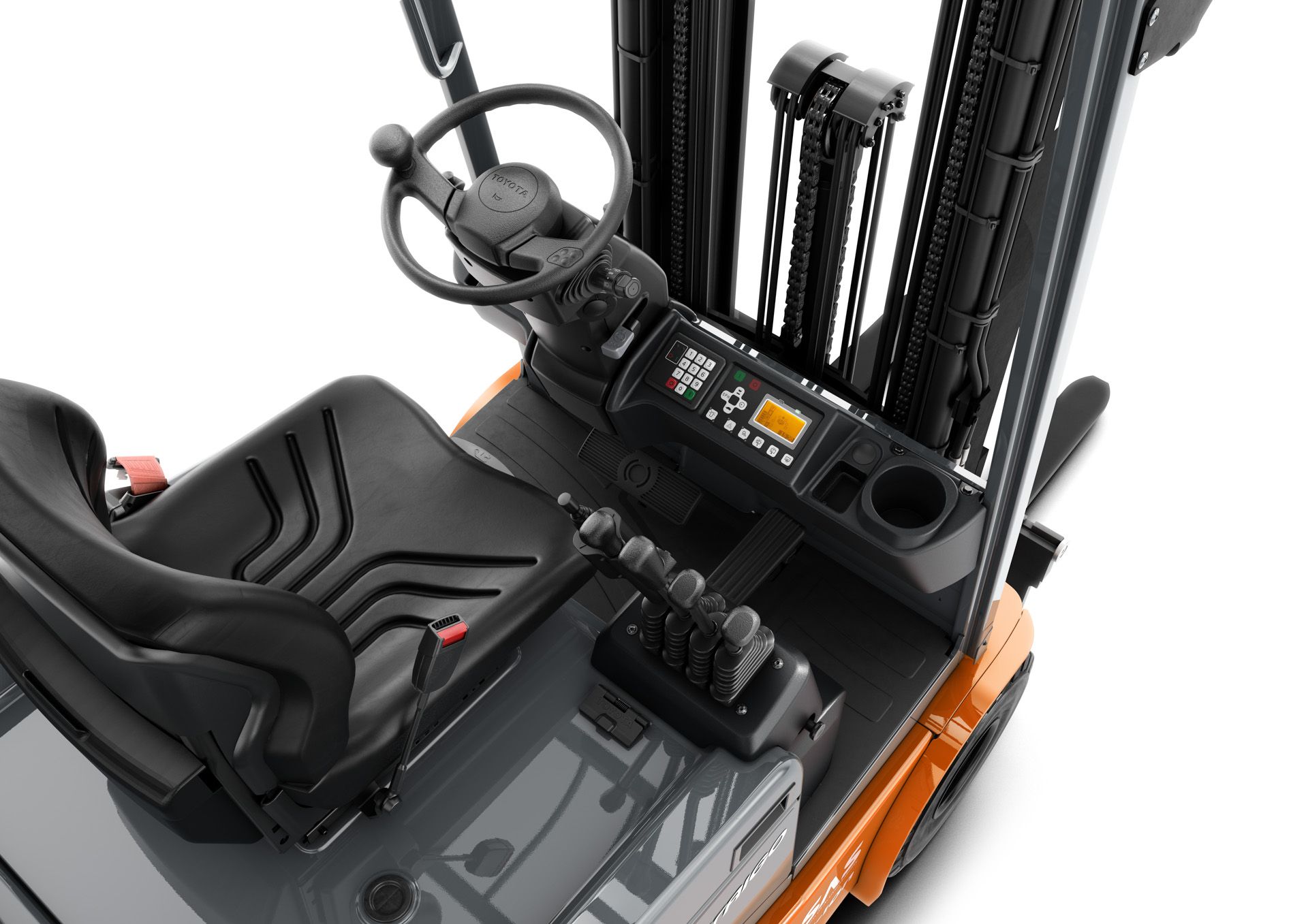
We build the 3D model from your exact technical specifications. Every bolt, contour and surface. Engineering data keeps us accurate; our job is to make that accuracy look good. Your product people review the model before anything gets rendered, so errors die early and cheaply.
3. Materials and lighting
This is where a model starts looking like your product instead of a video game asset. We match paint, metal, rubber and glass to the real thing, then light it the way a good product photographer would. Brand colours are exact, not approximate.
4. Renders and animation
Stills first: hero shots, detail shots, packshots on white, product-in-context scenes. Then motion where it earns its place. An animation can show a lifting mechanism cycle, a machine manoeuvring in a tight aisle, or an exploded view of how the parts fit together. Things a camera crew could never capture safely, or at all.
5. Interactive 3D and configurators (optional)
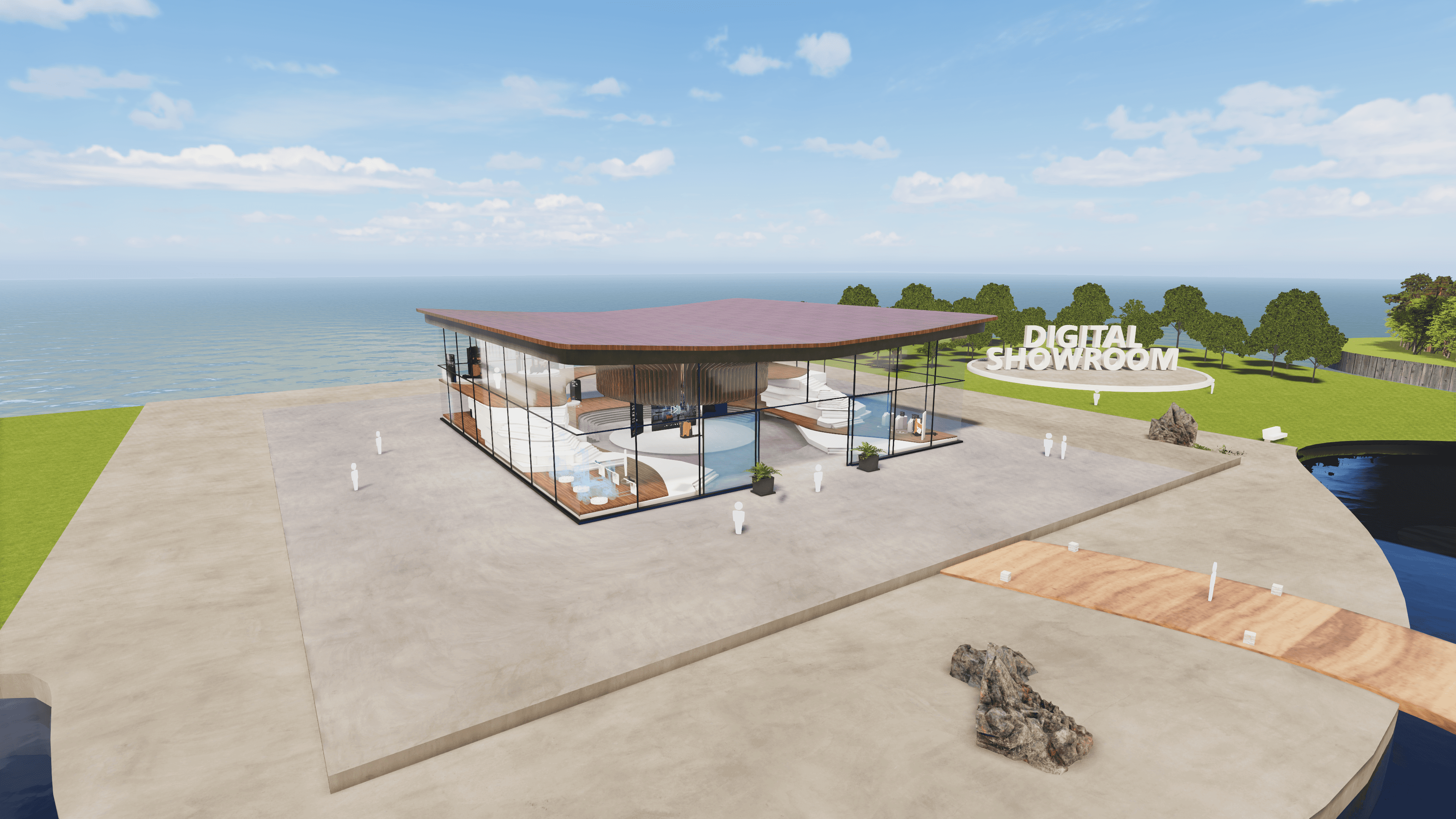
The same model can go one step further and become something your buyer controls: a web viewer to rotate and inspect the product, or a full configurator where they pick options and see the result instantly. This is optional, and it is the step where the asset stops being content and starts being a sales tool.
Proof: the Toyota Material Handling Europe lineup
Toyota Material Handling Europe needed its full truck lineup as photorealistic 3D. We built the models from exact technical specifications, every bolt and surface, and produced product stills and animations showing lifting mechanisms and manoeuvrability. Those assets now serve marketing campaigns and technical presentations across the organisation.

Where the work gets used
Product launches
Launch visuals are ready before the first physical unit rolls off the line. Campaign heroes, teaser animations and press images, all consistent because they come from one model.
Sales enablement
Give your sales team and dealers visuals that are always current and always on-brand. When a variant changes, we update the model once and every downstream asset follows. No more dealers presenting three-year-old photos.
Product configurators
For products sold in many variants, a configurator lets the buyer build their own machine and lets your sales team quote what the customer actually saw. One 3D foundation feeds all of it.
Tradeshows
Large-format screens reward detail, and photoreal 3D delivers it. Show the full range on a booth the size of two machines. Run the animation loop that pulls people in from the aisle.
Web and e-commerce
Consistent product imagery across the whole catalogue, including the configurations nobody ever photographed. Interactive 3D on product pages keeps buyers looking longer and answers questions a static image cannot.



Frequently Asked Questions
What does 3D product visualization cost?
A single-product visualization project typically starts around €5,000. The model is the main cost driver: complexity of the product, number of variants, and how photoreal it needs to be. The first model is the expensive part; once it exists, extra angles, colours, scenes and animations cost a fraction of a reshoot. We scope the exact figure after seeing your CAD data and your asset list, and you get a fixed quote before we start.
How long does a 3D visualization project take?
A single product taken from CAD to final photorealistic renders typically takes about four weeks. A full product lineup or an interactive showroom is planned in phases, so the first usable assets arrive early rather than everything landing at the end. Deadlines like a launch date or a tradeshow are fixed points; we plan backwards from them.
What files do you need to get started?
Native CAD files are ideal. If CAD is not available or cannot be shared, we can model from technical drawings, spec sheets and photography; it takes longer, but the result is the same. We sign an NDA before any data changes hands, and your files never leave the project.
What is the difference between a 3D render and a photo?
A good render is indistinguishable from a photo. The difference is control and reuse. A photo shoot captures one configuration, in one place, once; a change means a reshoot. A 3D model is photographed in software, so any variant, angle, colour or environment is available on demand, including views a camera cannot get, like an exploded mechanism or a cutaway. For large industrial products, 3D is usually cheaper than shooting by the second use of the asset.
Do you do data visualisation and infographics?
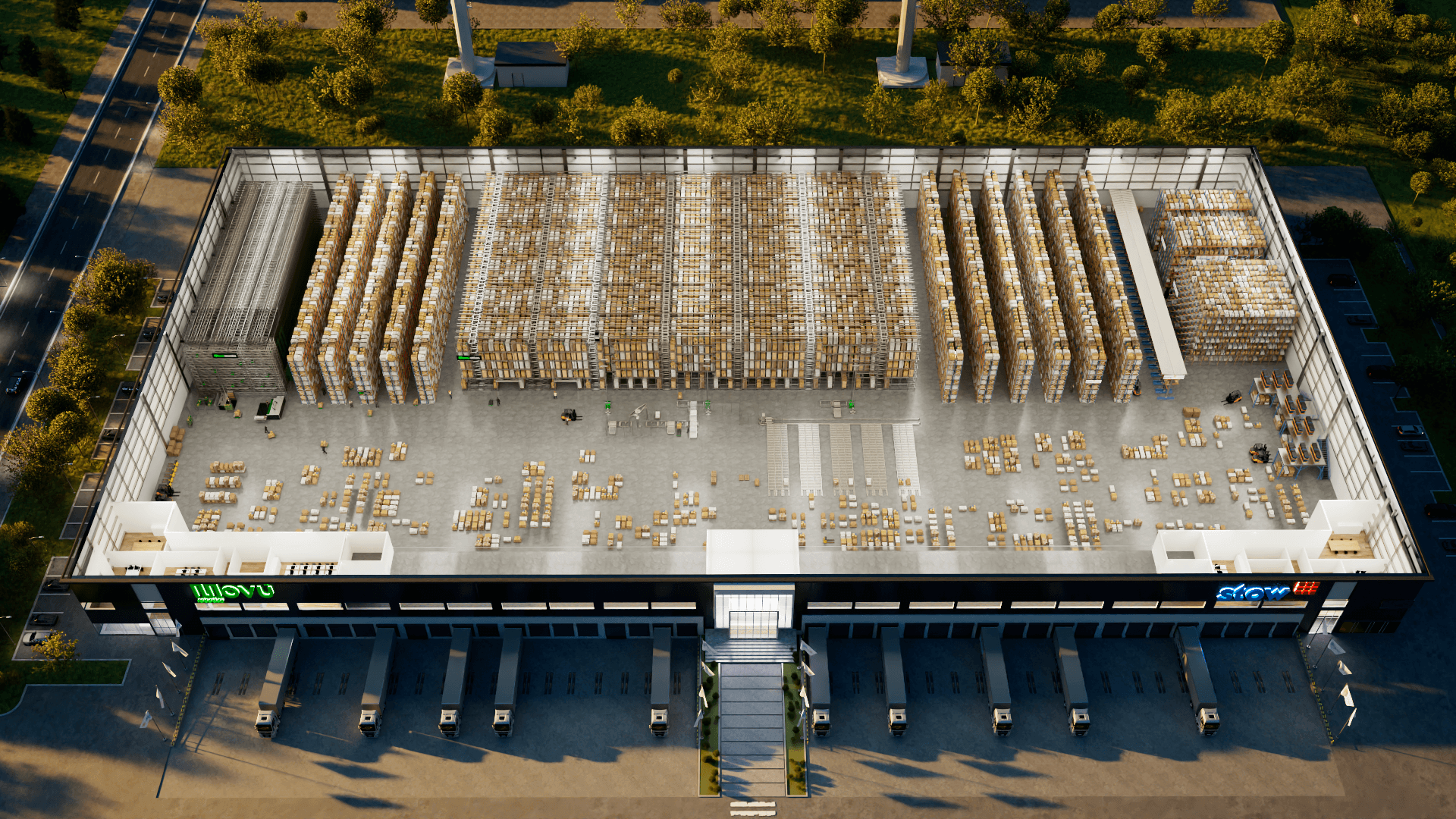
Yes, it is a core part of the work. Charts, infographics and visual summaries built from your source figures, checked by your data owners against the numbers. The standard is simple: accurate first, attractive second, and never a visualisation that makes a figure look better than it is.
Can the 3D be made interactive, or turned into a configurator?
Yes, and this is the reason to build the model well the first time. The same asset that produced your campaign renders can power a web viewer, a tradeshow experience or a full product configurator where buyers assemble their own specification. We built Toyota Material Handling Europe's digital showroom on exactly this principle: one photorealistic product foundation, deployed interactively.
How many revision rounds are included?
Two revision rounds are included as standard. Review moments are built into every stage: you approve the model before materials, materials before renders, renders before animation. Catching a correction at the model stage costs almost nothing, which is why the process front-loads your feedback. Anything beyond the included rounds is agreed up front in the quote, so there are no surprises on either side.
If your product exists in CAD, the hardest part of the work is already done. Send us a file or a spec sheet and tell us where the visuals need to work: a launch, a show, a sales tool, the website. We will tell you what is possible, what it costs, and where to start. If 3D is not the right answer for your product, we will say so.